ॐ असतो मा सद्गमय । तमसो मा ज्योतिर्गमय । मृत्योर्मा अमृतं गमय । ॐ शान्तिः शान्तिः शान्तिः ॥
(Lead us from untruth to Truth, from darkness to Light, from death to Immortality)
In Devotion to Masta Devta
Who is Masta Devta?
नमस्ते!(Namaste) Welcome to our sacred community.
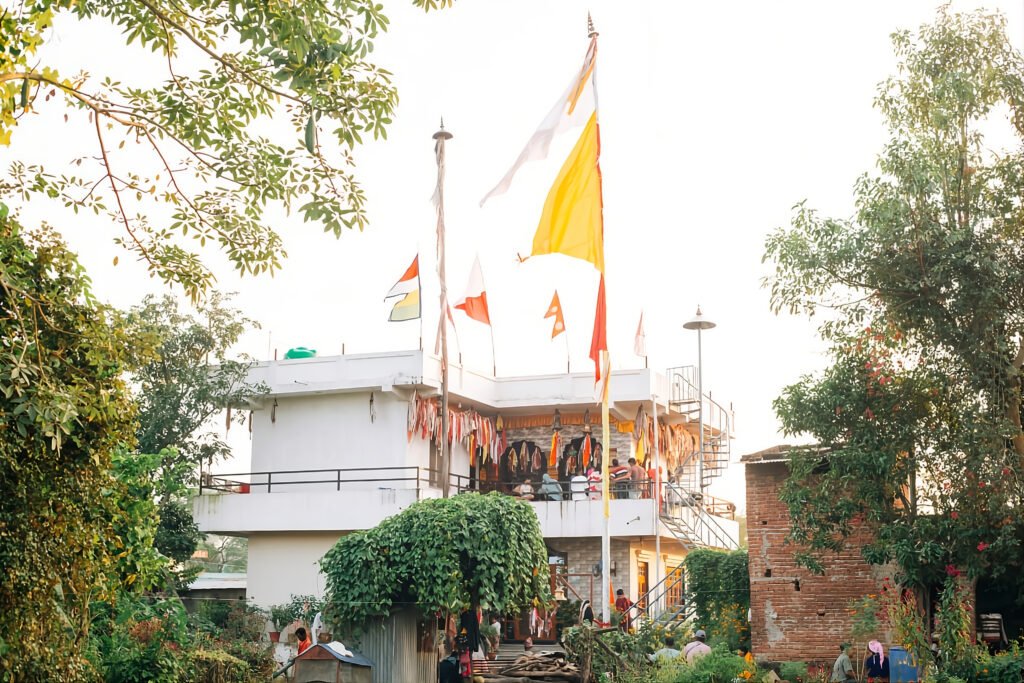
Masta Devta, revered as Bara Bhai (the Twelve Brothers), are ancestral deities deeply worshipped across the remote highlands of western Nepal, particularly in Jumla, Mugu, Bajhang, and surrounding regions. For generations, the Khas people have honored these divine brothers as protectors, guides, and sacred guardians of their communities.
Rooted in oral tradition and spiritual devotion, the Masta brothers are not merely gods, they are the living connection between past and present, between the earthly and the divine. Their presence is felt in every village shrine, every Pareli chant, and every blessing offered through the sacred Dhami tradition.

Guru of Gura Masta

सर्वे भद्राणि पश्यन्तु मा कश्चिद्दुःखभाग्भवेत्
(May all be happy, may all be free from disease, may all see auspiciousness, may none suffer.)
Our Sacred Pillars
Faith
श्रद्धावान् लभते ज्ञानम्
The Masta tradition lives in oral histories, ritual ceremonies, and the devoted hearts of the Khas people. Our faith binds generations.
Tradition
परम्परा प्रतिष्ठानम्
Through the sacred Dhami shamans, periodic Paith gatherings, and annual Dewali ceremonies, we honor practices passed down through centuries.
Community
वसुधैव कुटुम्बकम्
Villages unite in worship of their clan deity, creating bonds stronger than blood. In Masta’s presence, we are all family देवता आफन्तै हुन् (The gods are our kin – Nepali).
Bara Bhai - The Twelve Brothers
1
Budu Masta (बुडु मष्ट)
- Principal Shrine: Budu, Sijadara, Jumla
- Meaning: Named after village location
- Status: Most frequently documented; one of the core Bara Bhai
- Character: Primary deity of Sijadara area
- Type: Incarnating god with dhami possession
2
Tharpa Masta (थार्प मष्ट)
- Principal Shrine: Tharpa, Bomdara, Mugu
- Meaning: Named after village location
- Status: Well-documented across multiple sources
- Character: Guardian deity of Mugu region
- Type: Incarnating god with oracular tradition
3
Gura Masta (गुरा मष्ट)
- Principal Shrine: Sorudara, Humla district
- Meaning: “Weighty / Heavy” Masta – connoting gravitas
- Status: Recognised across the Karnali Masta tradition
- Character: Solemn, authoritative presence among the brothers
- Type: Incarnating god
4
Darhe or Khappar Masta (दारे/खप्पर मष्ट)
- Meaning: “Darhe” or “Khappar” (skull-bowl) Masta – two name variants
- Status: Known by dual appellations in ritual texts
- Character: Associated with fierce, wrathful aspects
- Type: Wrathful incarnating deity
5
Dudhesilto Masta (दुधेसिल्टो मष्ट)
- Principal Shrine: Dailekh district, Karnali Province
- Meaning: “Dudhe-silto” means “milk rock” or “milk-accepting”
- Status: Documented by multiple scholars
- Character: The gracious, nurturing brother who accepts milk offerings.
- Note: Milk-accepting (Dudhe) incarnating god; benevolent kingly form
6
Babiro Masta (बाबिरो मष्ट)
- Principal Shrine: Babiro village, Tatopani, Jumla district
- Meaning: Named after Babiro village near the famous hot springs (Tatopani) of Jumla
- Status: Consistently documented across all major scholars
- Character: Guardian deity of the Tatopani area
- Type: Incarnating god
7
Baanni Masta (बान्नी मष्ट)
- Principal Shrine: Banni Hill (Mastamandu), Bajhang district
- Meaning: Named after Banni Hill; “Banni”
- Status: Enshrined at Mastamandu, the principal Masta sacred complex of Bajhang.
- Character: Guardian of Bajhang’s topography and people
- Type: Incarnating god; regarded locally as a manifestation of Shiva
8
Kawa Masta (कवा मष्ट)
- Principal Shrine: Kawa village, Khatyad area, Mugu district
- Meaning: Named after Kawa village; also rendered as Kah, Kau, or Ka Masta
- Status: Documented by Devkota, Shrestha, Sharma, and Campbell
- Character: Protector deity of the Khatyad area
- Type: Incarnating god; worshipped at an outdoor shrine
9
Lumaal Masta (लुमाल मष्ट)
- Principal Shrine: Khatyad and Serijam area, Mugu district
- Meaning: Name likely derives from a local place or terrain feature in the Khatyad region
- Status: Documented by Shrestha and Campbell
- Character: Territorial guardian of the Khatyad–Serijam locality
- Type: Incarnating god; worshipped through homa
10
Puwale Masta (पुवाले मष्ट)
- Principal Shrine: Across Karnali districts
- Meaning: “Puwale” relates to the eastern direction (purwa = east)
- Status: Included in the twelve-brother tradition
- Character: Directional guardian associated with the sunrise and eastern frontier
- Type: Incarnating god; worshipped five times yearly at the Paith ritual cycle
11
Baarpelo Masta (बारपेलो मष्ट)
- Principal Shrine: Venerated across Humla and Bajhang communities
- Meaning: “bhar” and “pelo” are local Khas terms connected to boundaries and passage
- Status: Part of the traditional twelve-brother enumeration
- Character: Protector of community boundaries, livestock, and agricultural cycles
- Type: Incarnating god
12
Dhandaar Masta (ढंढार मष्ट)
- Principal Shrine: Dadar, Bajhang district
- Meaning: “Dhandaar” evokes resonance and carrying power
- Status: The culminating brother whose designation “and others” (ādi) opens the door to the full extended Masta pantheon
- Type: Incarnating god
The Sixteen Sisters of Masta Devta
1
Bhawani (भवानी)
- Primary sister and most important
- “Giver of life”
- Generic form of Durga
- Possesses spirit mediums (dhami)
- Proprietress of the entire world
- Has multiple shrine locations
2
Malika (मालिका)
- One of the most prominent sisters
- Major temple at Badimalika (4,200m altitude), Bajura
- Shakti Peetha where Sati’s left shoulder fell
- Also has shrine in Dharal, Jumla
- Possesses oracular mediums
3
Kalika (कालिका)
- Fierce Kali form of Durga
- Incarnating goddess with oracular mediums
- Shrine at Litakot, Malika Lekh
- Represents the destructive aspect of divine feminine
4
Kanakasundari (कनकसुन्दरी)
- “Golden beauty”
- Has stone temple with physical idol
- Brahmanical/Puranic goddess (doesn’t possess mediums)
- Shrine in Hadsija, Sinja Valley
- Archaeological remains found with ancient Malla artifacts
5
Tripurasundari (त्रिपुरसुन्दरी)
- “Beautiful lady of the three worlds”
- One of the Dasha Mahavidyas (ten great wisdom goddesses)
- 12th-century temple in Dolpa explicitly built “for the sister of God Masta”
- Also shrine at Sijadara, Jumla-Chauda
- Brahmanical goddess with idol worship
6
Pugelni (पुगेल्नी)
- Indigenous Khas goddess
- Local incarnating deity who possesses mediums
- Shrine in Jumla-Tibrikot
- Represents older pre-Hindu layer of tradition
7
Jalpa (जाल्पा)
- Connected to Jalpa Devi traditions of Western Himalayas
- Shrine at Rakaldara, Khatyar Lekh
- Indigenous mountain goddess
8
Thagalni (थागल्नी)
- Local goddess without clear Puranic equivalent
- Pure indigenous Khas deity
- Location not well documented
9
Khesamallini (खेसामल्लिनी)
- Indigenous Khas deity
- Shrine at Ukhadi, Chaudabhisdara
- Pre-Brahmanical goddess form
10
Himalini (हिमालिनी)
- “Daughter of the Himalayas”
- Epithet of Parvati
- Represents connection to mountain geography
- Puranic goddess name
11
Mahakali (महाकाली)
- “The Great Kali”
- Fierce destructive form of Durga
- Nepal’s western border river named after her
- Pan-Hindu goddess absorbed into Masta tradition
12
Sarda (Sharda)
- Connected to Sharada Peeth (ancient Shakti Pitha in Kashmir)
- Epithet of Saraswati
- Represents wisdom and learning
- Puranic goddess
13
Deurali (देउराली)
- “Mountain pass goddess”
- Sacred geography deity
- Deurali means mountain pass in Nepali
- Protector of travelers and high-altitude passages
14
Ambika (अम्बिका)
- “Mother”
- Well-known epithet of Durga/Parvati
- From Shiva Purana
- Universal mother goddess aspect
15
Chandika (चण्डिका)
- Fierce warrior goddess from Devi Mahatmya
- Supreme demon-slayer
- Represents martial divine feminine
- Puranic goddess of victory in battle
16
Jalandhari (जालन्धरी)
- Possibly related to Jalandhara Shakti Pitha in Punjab
- Connection to broader Shakti Peetha network
- Puranic goddess form
The Gura Masta
संघे शक्तिः कलौ युगे
(In unity lies strength in this age)
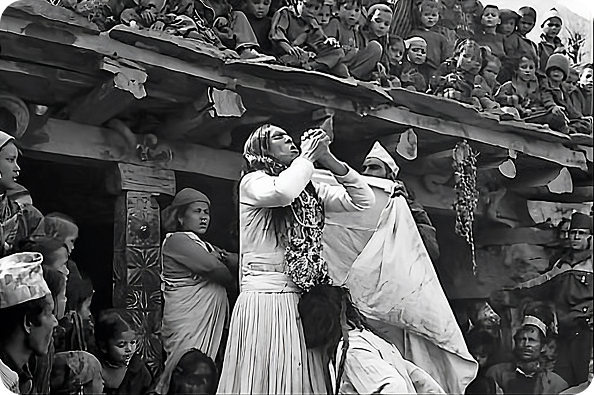
We are a community-driven organization dedicated to honoring and preserving the sacred heritage of Masta Devta. Through cultural documentation, ritual support, and youth education, we ensure that the wisdom of our ancestors continues to illuminate the path forward.
Our work spans from recording ancient Pareli chants in remote villages to organizing annual festivals that unite diaspora communities worldwide. We support Dhami shamans, maintain sacred shrine sites, and create educational programs that instill pride in Khas youth.
Support Our Sacred Mission
Scan the QR code below to donate


eSewa

Fonepay